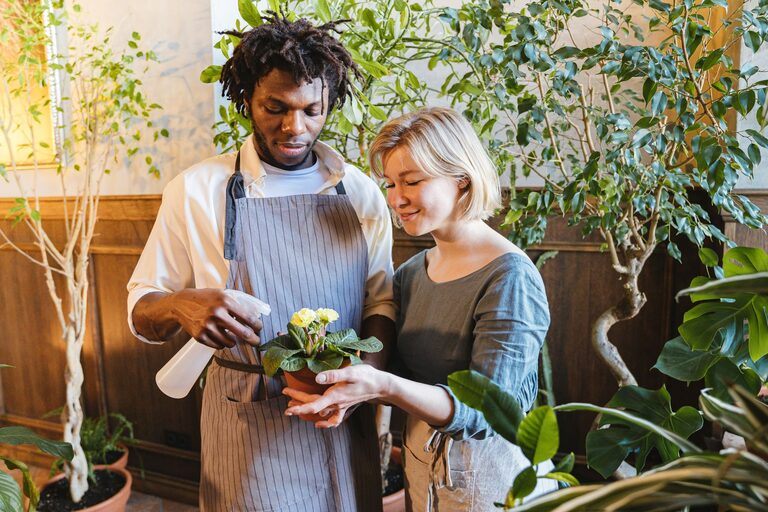
Bringing houseplants into your home can add beauty, freshen the air, and even boost your mood. However, keeping these green companions happy and thriving requires a bit of knowledge and regular care. Whether you’re a seasoned plant owner or just starting your indoor garden, these tips will help you maintain healthy houseplants year-round.
Understanding Your Houseplant’s Needs
Light Requirements
One of the most important factors for plant health is light. Different plants have different light preferences:
– Bright, indirect light: Many popular houseplants like pothos, peace lilies, and spider plants thrive in bright but indirect sunlight.
– Direct sunlight: Succulents and cacti generally enjoy a few hours of direct sunlight daily.
– Low light: Some plants, such as snake plants and ZZ plants, tolerate lower light conditions but may grow more slowly.
Make sure to place your plants in spots that match their light needs. If natural light is limited, consider using grow lights to supplement.
Watering Wisely
Overwatering is a common mistake. Most houseplants prefer their soil to dry out slightly between waterings. Here are some watering tips:
– Check soil moisture before watering by sticking your finger about an inch into the soil.
– Water thoroughly until water drains out of the bottom of the pot, but avoid letting the plant sit in standing water.
– Adjust watering frequency based on the season; plants typically need less water in winter.
Proper Potting and Soil
Good soil and the right pot make a big difference:
– Use potting soil designed for indoor plants, not garden soil.
– Ensure the pot has drainage holes to prevent waterlogging.
– Repot when roots become crowded or the soil becomes compacted, usually every 1-2 years.
Routine Care for Happy Plants
Fertilizing
Plants need nutrients to grow, especially during the growing season (spring and summer). Use a balanced, water-soluble fertilizer every 4-6 weeks, following the package instructions. Avoid fertilizing in winter when many plants rest.
Cleaning Leaves
Dust can block light and reduce photosynthesis. Periodically wipe leaves gently with a damp cloth or give your plants a shower to remove dust and pests.
Monitoring for Pests
Keep an eye out for common pests like spider mites, aphids, and mealybugs. Early detection makes control easier. If pests appear:
– Isolate affected plants.
– Use insecticidal soap or neem oil as a natural treatment.
– Remove severely affected leaves to prevent spread.
Tips for Specific Conditions
Humidity
Many tropical houseplants prefer higher humidity. If your home is dry, especially in winter, increase humidity by:
– Grouping plants together.
– Using a humidifier.
– Placing plants on trays filled with water and pebbles.
Temperature and Drafts
Most houseplants like temperatures between 65-75°F (18-24°C). Avoid placing plants near cold drafts, heaters, or air conditioners which can stress them.
Troubleshooting Common Problems
Yellowing Leaves
This may indicate overwatering, poor drainage, or nutrient deficiency. Review your watering habits and soil condition.
Drooping or Wilting
Usually a sign of underwatering or root issues. Check soil moisture and pot drainage.
Brown Leaf Tips
Often caused by low humidity, excessive fertilizer, or inconsistent watering.
Final Thoughts
Caring for houseplants is a rewarding hobby that brings life to your home environment. By paying attention to their specific light, water, and nutrient needs, you’ll create a thriving indoor garden. Remember, patience and observation are key — plants often communicate their needs through their leaves and stems.
With these simple tips, you’re well on your way to becoming a confident plant parent! Happy gardening!
About the Author