
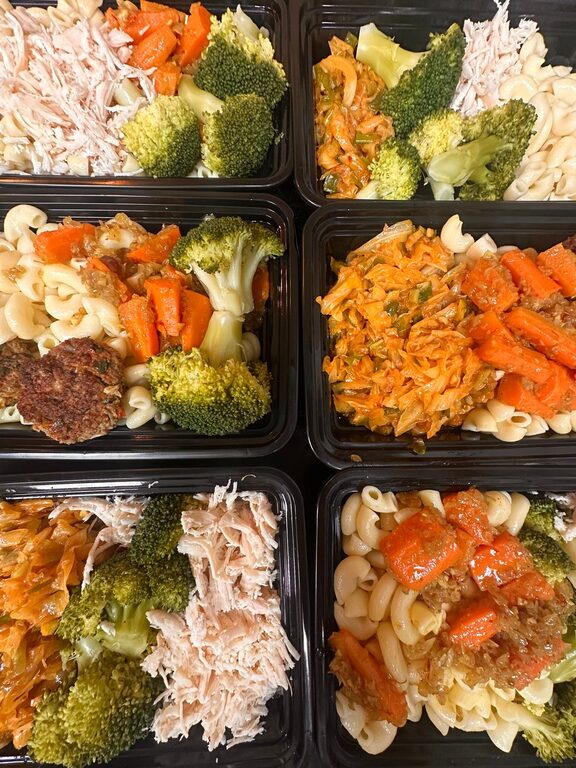
Planning your meals ahead of time can make a huge difference in how smoothly your week goes. A simple weekly meal plan helps you save time, avoid last-minute stress, reduce food waste, and ensure you eat a variety of nutritious meals. If you’re new to meal planning or want to simplify the process, this guide will walk you through easy steps to create a weekly meal plan that fits your lifestyle.
Why Create a Weekly Meal Plan?
Before diving into how to create a meal plan, it’s helpful to understand why it’s worth the effort:
– Saves time: You’ll spend less time deciding what to cook each day.
– Simplifies grocery shopping: With a plan, you know exactly what ingredients to buy.
– Reduces stress: No more scrambling for last-minute meal ideas.
– Promotes healthier eating: Planning helps you balance meals with plenty of fruits, vegetables, and proteins.
– Cuts down on food waste: Buying only what you need means less uneaten food goes to waste.
Step 1: Assess Your Week
Start by taking a quick look at your upcoming week to understand your schedule and needs:
– Identify busy days: Which days have less time for cooking? Plan simpler or quicker meals for these days.
– Consider leftovers: Are you okay eating leftovers? If so, plan to cook larger portions to save for another meal.
– Note any special events: Dinners out, meetings, or social events can affect your meal plan.
Step 2: Choose Your Meals
Select meals that are simple, enjoyable, and appropriate for your week’s schedule.
Tips for choosing meals:
– Pick recipes you already know and like to reduce cooking time.
– Include a mix of proteins (chicken, fish, beans, tofu) and plenty of vegetables.
– Balance your meals with starches like rice, potatoes, or whole grains.
– Plan for at least one vegetarian or lighter meal if desired.
– Consider batch cooking or one-pot meals for easy prep.
Example weekly meal plan:
| Day | Meal Idea |
|———–|—————————–|
| Monday | Grilled chicken with roasted veggies |
| Tuesday | Spaghetti with tomato sauce and salad |
| Wednesday | Stir-fried tofu with rice |
| Thursday | Baked salmon with steamed broccoli |
| Friday | Homemade veggie pizza |
| Saturday | Slow cooker chili with cornbread |
| Sunday | Leftover chili or soup |
Step 3: Write Your Meal Plan
Once you have your meals selected, write them down for the whole week. You can use a planner, a whiteboard, or a simple note on your phone. This helps you visualize the week and refer back easily.
Step 4: Make Your Grocery List
Look at each meal and list all the ingredients you’ll need. Group items by category (produce, dairy, pantry, meat) to speed up shopping. Check your pantry and fridge first to avoid buying duplicates.
Grocery list example:
– Chicken breasts (2)
– Salmon fillets (2)
– Tofu (1 block)
– Broccoli (1 head)
– Bell peppers (2)
– Spaghetti noodles (1 box)
– Tomatoes (fresh or canned)
– Salad greens (1 bag)
– Beans (1 can)
– Rice (1 bag)
– Cheese (for pizza)
– Cornbread mix
Step 5: Prep Ahead to Save Time
Prepping ingredients in advance can make weeknight cooking much easier.
– Wash and chop vegetables.
– Marinate proteins the night before.
– Cook grains or beans in batches.
– Portion snacks and salads.
– Store prepped food in clear containers for easy access.
Step 6: Stay Flexible and Adjust as Needed
Meal plans are guides, not strict rules. It’s fine to swap meals or reorder days if your plans change. The goal is to reduce stress, not add to it.
Tips for flexibility:
– Keep a few quick meal options on hand, such as frozen veggies or canned soup.
– Use leftovers creatively for lunches or new meals.
– Don’t worry if you repeat meals during the week—it saves time and simplifies shopping.
Bonus Tips for Successful Meal Planning
– Use themed nights: Taco Tuesday or Pasta Thursday can simplify ideas.
– Get the family involved: Let everyone pick a meal to try.
– Try new recipes occasionally: Keep meals interesting with one new dish each week.
– Leverage technology: Use apps or online templates for meal planning and grocery lists.
– Keep it simple: Focus on meals with fewer ingredients and easy techniques.
Conclusion
Creating a simple weekly meal plan doesn’t have to be complicated. By assessing your schedule, choosing manageable meals, making a clear grocery list, and prepping ahead, you can enjoy stress-free dinners and healthier eating habits. Give meal planning a try this week—you’ll likely find it makes cooking more enjoyable and your week a little easier!
About the Author